3 Articles
Tags :connection-design

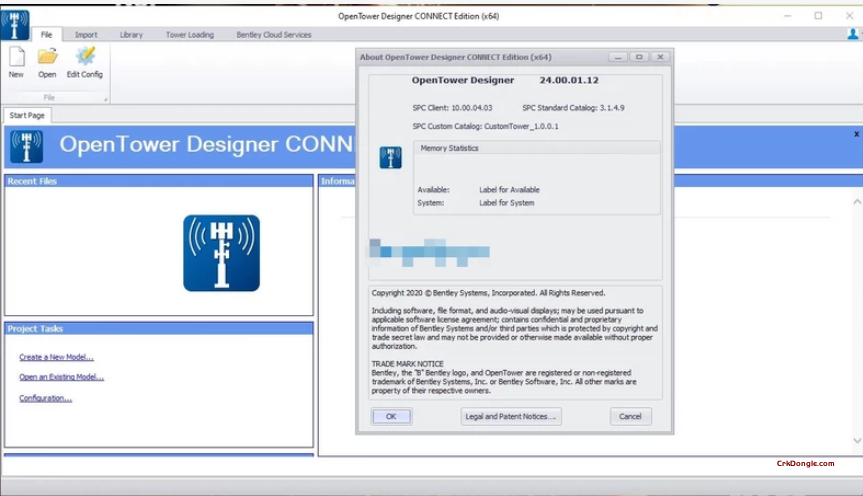
Bentley OpenTower Designer 2026: Telecom Tower Design & Analysis Software OpenTower Designer is Bentley Systems’ purpose-built software for telecommunication tower analysis and design, available as a 12-month practitioner license through the Virtuoso Subscription . It supports monopoles, self-supported towers (SST), and guyed masts, capturing real-world workflows from tower modification to foundation checks and connection design . Key Features Tower Types & Code Compliance Tower Type Supported Checks Self-Supported (3/4-sided) Member checks (TIA-222 Rev F/G/H), brace connections, leg splices, base plate anchor bolts, foundations Guyed Masts (3/4-sided) Member checks, guy wire & attachment checks, anchor bolts, leg splices, foundations Monopoles Pole checks, bolted splices, base plates, foundations (tapered/stepped/hybrid) Design Standards Supports TIA-222 (Rev F, G, H), Eurocode, and Australian design standards...
SDS2 V2026.04 | Advanced Steel Detailing & Fabrication Modeling Software SDS2 V2026.04 is a comprehensive, industry-leading software solution for the 3D modeling, detailing, and fabrication of structural steel. It provides steel detailers and fabricators with powerful tools to create accurate shop drawings, generate CNC data, and manage material for efficient project execution. Core Functionality Overview: Intelligent 3D Steel Modeling & Connection Design: Features robust tools for creating detailed 3D structural steel models with automatic connection design, clash detection, and compliance with standard detailing practices. Automated Shop Drawing & Report Generation: Automatically generates annotated shop drawings, erection plans, bills of material (BOM), and detailed reports from the 3D model, ensuring consistency and accuracy. Integrated Fabrication & CNC Output: Directly exports machine-ready...
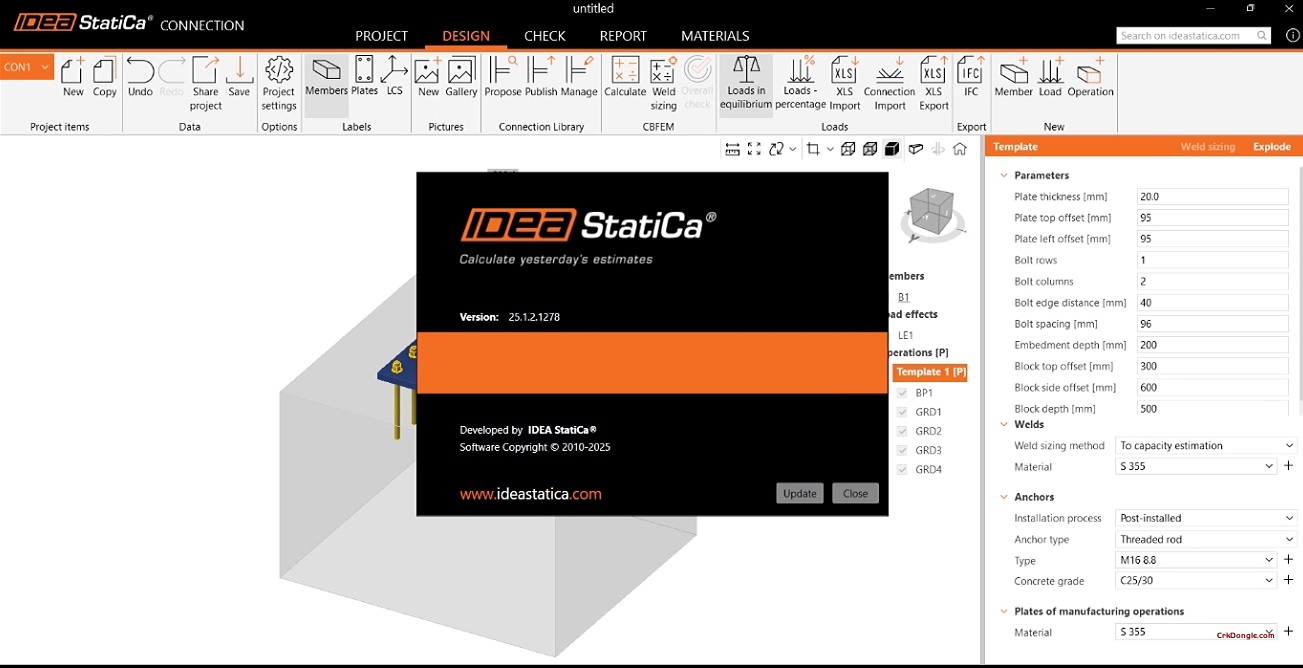
IDEA StatiCa 25.1.2: The Global Standard for Structural Connection Design IDEA StatiCa 25.1.2 is a world-leading, BIM-integrated software solution dedicated to the design, analysis, and code-checking of structural connections in both steel and reinforced concrete. It employs the Component-Based Finite Element Method (CBFEM), a unique approach that combines the accuracy of finite element analysis with the speed and code-compliance of component methods, making it the preferred tool for structural engineers, detailers, and fabricators worldwide. Core Function: Accurate, Code-Compliant Connection Verification Its primary function is to transform a connection concept into a fully verified, code-compliant design. Users model the connection geometry, and the software performs a comprehensive analysis—checking stresses, deformations, welds, bolts, plates, and concrete—against major international standards like AISC 360,...