5 Articles
Tags :additive-manufacturing

MICRESS 7.3: Microstructure Evolution Simulation Software MICRESS 7.3 is the industry-leading multiphase-field software for simulating microstructure formation in materials, particularly metallurgical systems . Released in November 2024 , this version focuses on workflow automation, expanded scripting capabilities, and performance enhancements for phase-field simulation . Key New Features in Version 7.3 MicPy Python Package A significant new addition is MicPy, an open-source Python package available via PyPI that streamlines MICRESS workflows : Data Access: Efficiently reads tabular files (.TabF) and binary field data (.conc*) Pandas Integration: Converts tabular data to DataFrames for analysis NumPy Support: Imports field data directly into arrays for advanced computation Matplotlib Integration: Built-in visualization of both tabular and field data Open Source: Freely available with comprehensive documentation...
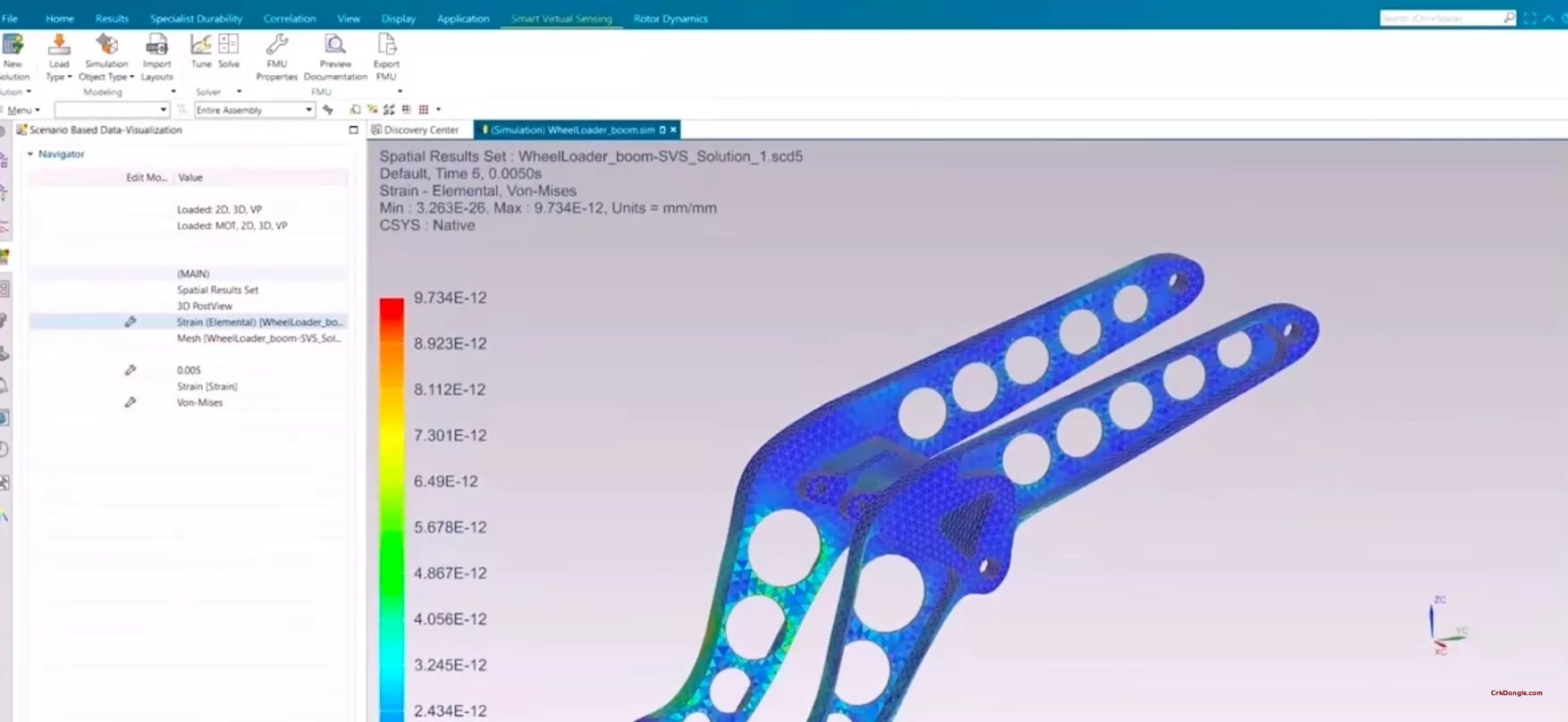
Siemens Simcenter 3D 2512 is the latest release of the unified multidisciplinary simulation platform for mechanical, thermal, electromagnetic, and acoustic analysis. It integrates advanced solvers including Simcenter Nastran, FLOEFD, and Low Frequency EMag with pre/post-processing tools, enabling engineers to model complex physics, explore design spaces, and accelerate product innovation from concept to validation. What’s New in Simcenter 3D 2512 Up to 100x Faster NVH Analysis The new E-Motor Vibration Synthesis (EMVS) acoustics workflow delivers NVH results up to 100 times faster with full FEM accuracy and realistic loads. This dedicated tool creates e-motor reduced-order models for quick iteration on different operating conditions, supporting steady-state ideal current operation and non-skewed IPMSM machines. Active Magnetic Bearings in Rotor Dynamics Model active magnetic...
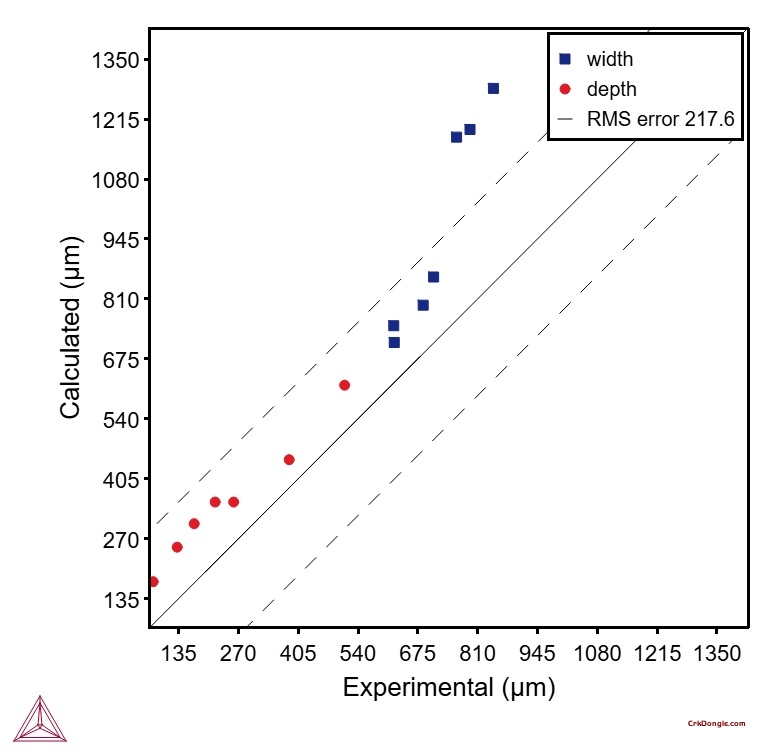
Thermo-Calc 2026a is the latest biannual update of the leading computational thermodynamics software from Thermo-Calc Software AB. This powerful platform performs equilibrium and non-equilibrium calculations for multi-component materials systems, enabling accurate prediction of phase diagrams, thermodynamic properties, diffusion kinetics, precipitation, and additive manufacturing processes. It supports a wide range of applications in materials science, metallurgy, alloy design, corrosion analysis, and process optimization across industries like aerospace, automotive, energy, and manufacturing. Version 2026a introduces a groundbreaking Aqueous Calculator for advanced corrosion studies, user-friendly common phase names, Electron Beam Melting (EBM) support in the Additive Manufacturing Module, efficiency gains in TC-PRISMA, and eight new/expanded databases for enhanced coverage of steels, titanium alloys, aqueous solutions, permanent magnets, and more. The January 30 patch...
Materialise Magics RP 29.1.0.35 Features and Capabilities Materialise Magics RP 29.1.0.35 is the latest maintenance release in the Magics 29 series from Materialise, the industry-leading data preparation and build optimization software for additive manufacturing (3D printing). This version focuses on enhanced integration with e-Stage (support generation tool), improved usability, and refinements for polymer/metal workflows. Magics RP excels in importing, repairing, editing, nesting, orienting, and preparing CAD/mesh files for production on various AM technologies (SLA, SLS, MJF, DMLS, etc.), with tools for lattice structures, support generation, nesting, and analysis—ensuring first-time-right prints, reduced material waste, and optimized build platforms. As a patch in the 29.1 line (following Magics 29 major release in 2025), 29.1.0.35 inherits core 29 innovations like implicit geometry support,...
Hexagon Inspire v2025.1: The AI-Driven Generative Design & Process Simulation Powerhouse The frontier of engineering design is shifting from crafting a single solution to exploring a universe of optimal possibilities. Hexagon Inspire v2025.1 stands at this frontier as a transformative computer-aided engineering (CAE) platform that fundamentally reimagines the product development workflow. Moving beyond traditional simulation’s role as a validation step, Inspire embeds AI-driven generative design and process simulation at the very heart of the conceptual phase. It empowers engineers and designers to define performance goals and manufacturing constraints, then leverages sophisticated algorithms to automatically generate and evaluate hundreds of design alternatives that are lightweight, structurally efficient, and ready for production. This version, v2025.1, represents the culmination of Hexagon’s vision for...